
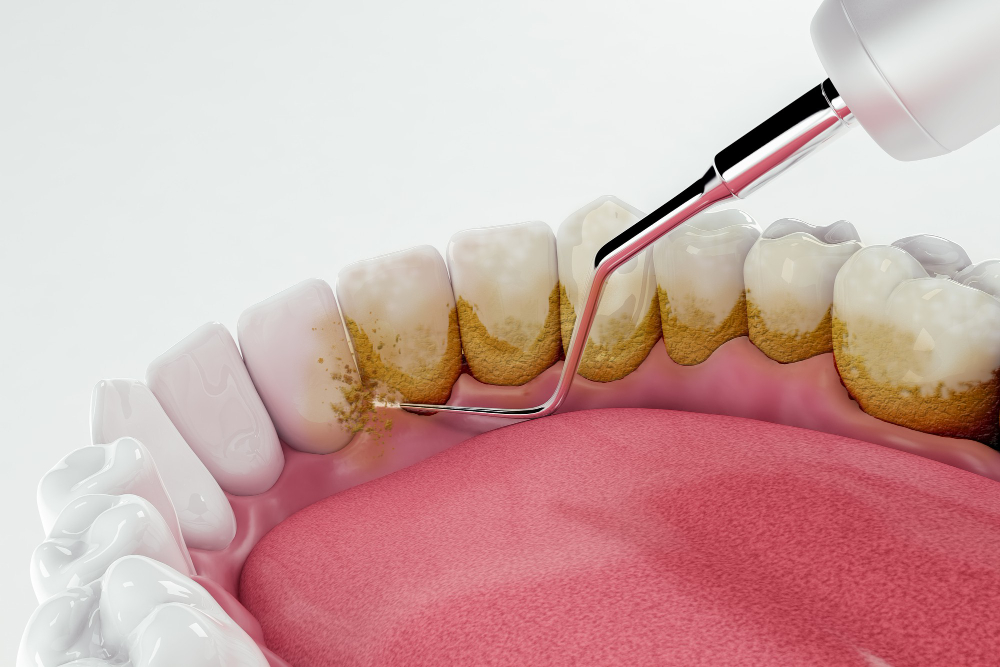
Dental plaque is a sticky film that forms on your teeth every day. This thin layer contains bacteria, food particles, and saliva. Because dental plaque can lead to tooth decay and gum problems, it is important to understand how it forms and how to prevent it. Many people search for ways to stop dental plaque and keep their teeth healthy. In this blog, you will learn what dental plaque is, why it forms, its effects, and simple oral hygiene tips to protect your smile.
What Is Dental Plaque?
First, dental plaque is a soft, colorless layer that builds up on teeth and gums. Although it may not always be visible, you can often feel it as a fuzzy coating, especially after eating. Plaque is made up of bacteria, which feed on sugars in your food. As a result, these bacteria produce acids that can harm your teeth and gums. According to the Centers for Disease Control and Prevention (CDC), dental plaque is the main cause of cavities and gum disease.
Causes of Dental Plaque
Several factors can lead to the buildup of dental plaque. While some causes are easy to control, others may need extra care. For example, poor brushing habits allow bacteria to grow. In addition, eating sugary or starchy foods feeds the bacteria in your mouth. Here are the most common causes:
Because bacteria multiply quickly, plaque can form just hours after brushing. Therefore, regular cleaning is key to stopping dental plaque.
Effects of Dental Plaque on Oral Health
Dental plaque can cause both short-term and long-term problems. In the short term, you may notice bad breath or a fuzzy feeling on your teeth. Over time, plaque hardens into tartar, which is much harder to remove. This can lead to more serious issues. For example, the acids from plaque can wear away tooth enamel, causing cavities. In addition, plaque buildup can irritate your gums, leading to redness, swelling, and bleeding. According to the World Health Organization (WHO), untreated plaque is a major risk for gum disease and tooth loss. Here are some common effects:
Because these problems can affect your health and confidence, it is important to manage dental plaque early.
How to Prevent and Remove Dental Plaque
Luckily, you can prevent dental plaque with simple daily habits. Brushing your teeth twice a day with fluoride toothpaste removes most plaque. In addition, flossing helps clean between teeth where a brush cannot reach. The American Dental Association (ADA) suggests replacing your toothbrush every three to four months. Here are some proven ways to prevent and remove dental plaque:
Because plaque forms quickly, sticking to these habits is the best way to keep your teeth clean and healthy.
Tips for Maintaining Better Oral Health
Good oral health goes beyond just brushing and flossing. For example, drinking plenty of water helps wash away food and bacteria. In addition, chewing sugar-free gum can boost saliva, which protects your teeth. Here are some easy oral hygiene tips to try every day:
Because small changes can make a big difference, these tips help you prevent dental plaque and enjoy a brighter, healthier smile.
Conclusion
If you have questions about dental plaque or want to improve your oral health, MAARK Dental Specialties is here to help. Schedule a consultation today for friendly advice and personalized care.