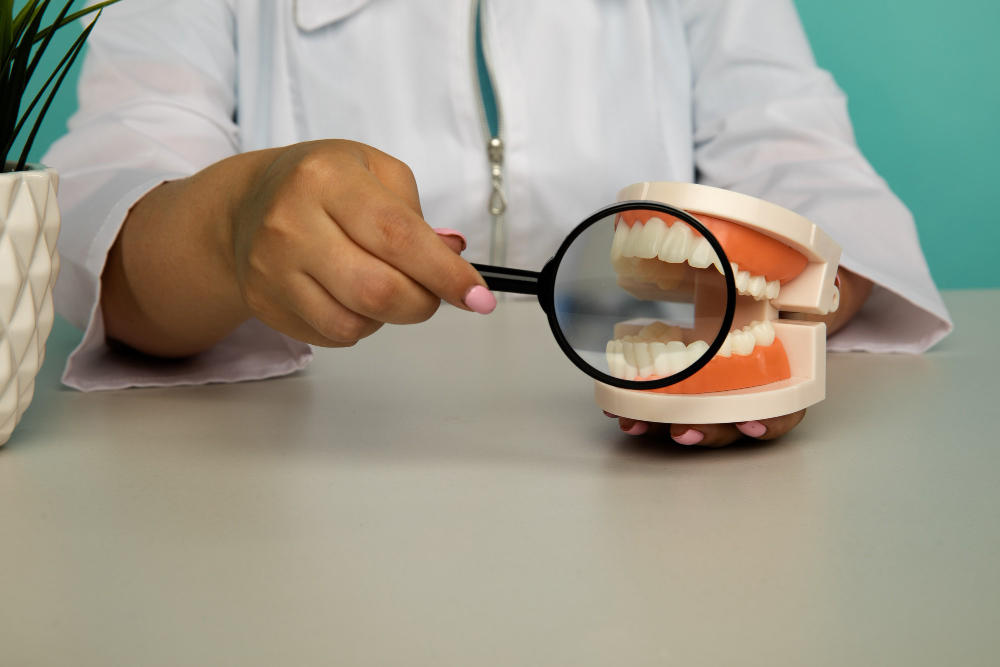
Dental erosion is a common dental health problem. It happens when acids wear away the hard surface of your teeth, called enamel. As a result, your teeth can become weak and sensitive. In many cities, people are seeing more cases of dental erosion because of changes in diet and lifestyle. Knowing the causes and prevention tips can help you keep your teeth strong and healthy.
What Is Dental Erosion?
Dental erosion means the loss of tooth enamel due to acid. Enamel is the thin, hard layer that covers each tooth. It protects the softer part inside. When enamel wears away, teeth can become sensitive or even painful. Unlike cavities, which are caused by bacteria, dental erosion is caused by acids from food, drinks, or even your own stomach. Because enamel cannot grow back, it is important to protect it.
Common Causes of Dental Erosion
Many things can lead to dental erosion. For example, some foods and drinks are high in acid. Others may have habits or health issues that increase risk. Below are common causes:
In addition, brushing teeth too hard right after eating acidic foods can make erosion worse.
Signs and Symptoms of Dental Erosion
Early signs of dental erosion can be easy to miss. However, paying attention to changes in your teeth can help. Watch for these symptoms:
If you notice these signs, it is important to see a dentist soon.
How Dental Erosion Is Diagnosed
Dentists can spot dental erosion during a regular check-up. They will look for changes in the color and shape of your teeth. Sometimes, they may ask about your diet or health history. X-rays are not always needed, but they can help in some cases. In many dental clinics, dentists use special tools to measure enamel loss. Early diagnosis means you can start protecting your teeth right away.
Effective Prevention Strategies
Preventing dental erosion is easier than treating it. Because enamel cannot regrow, it is best to act early. Here are some proven prevention tips:
In addition, try to eat a balanced diet rich in calcium and vitamins for strong teeth.
Ways to Protect Tooth Enamel
Protecting tooth enamel takes daily care. For example, using the right toothpaste and brushing gently can help. Consider these steps:
Because fluoride helps strengthen enamel, using it daily can make a big difference.
Lifestyle Tips for Healthy Teeth
Healthy habits can lower your risk of dental erosion. For instance, making small changes in your daily routine can protect your smile. Try these lifestyle tips:
By following these steps, you can keep your teeth strong and avoid problems linked to dental erosion. Trusted sources like the CDC and dental health experts recommend these tips for everyone.