
Many people wonder about temporary vs permanent dental crowns when they visit the dentist. Understanding the difference can help you feel more at ease during your dental crown procedure. In this blog, you will learn what dental crowns are, why dentists use them, and how to care for each type. If you are looking for dental crowns in your area, this guide will help you know what to expect.
What Are Dental Crowns?
Dental crowns are covers that fit over damaged or weak teeth. They look and feel like natural teeth. Often, dentists use crowns to protect teeth after a root canal or large filling. Crowns can also improve the look of a tooth. There are many types of dental crowns, and each serves a special purpose. According to the American Dental Association, crowns are a common way to restore teeth and keep your smile healthy.
What Are Temporary Dental Crowns?
Temporary dental crowns are short-term covers for teeth. Dentists use them while you wait for your permanent crown. Usually, they are made from plastic or acrylic. Because they are not as strong as permanent crowns, they are meant to last only a few weeks. For example, after your first dental crown procedure, your dentist may place a temporary crown to protect your tooth. This helps you eat and speak while your final crown is being made.
What Are Permanent Dental Crowns?
Permanent dental crowns are designed to last for many years. They are custom-made to fit your tooth perfectly. Dentists use strong materials like porcelain, metal, or ceramic. Once your dentist places a permanent crown, it should feel just like a natural tooth. In addition, permanent dental crown benefits include better strength, comfort, and appearance. Many people choose permanent crowns for long-term tooth repair.
Key Differences Between Temporary and Permanent Dental Crowns
When Are Temporary Crowns Used?
Temporary crowns are often used during the dental crown procedure. For instance, your dentist may place a temporary crown after shaping your tooth. This protects your tooth while the dental lab makes your permanent crown. Also, temporary crowns help you eat and talk without pain. If you need a root canal or large filling, your dentist may use a temporary crown to cover the tooth until it heals.
When Are Permanent Crowns Used?
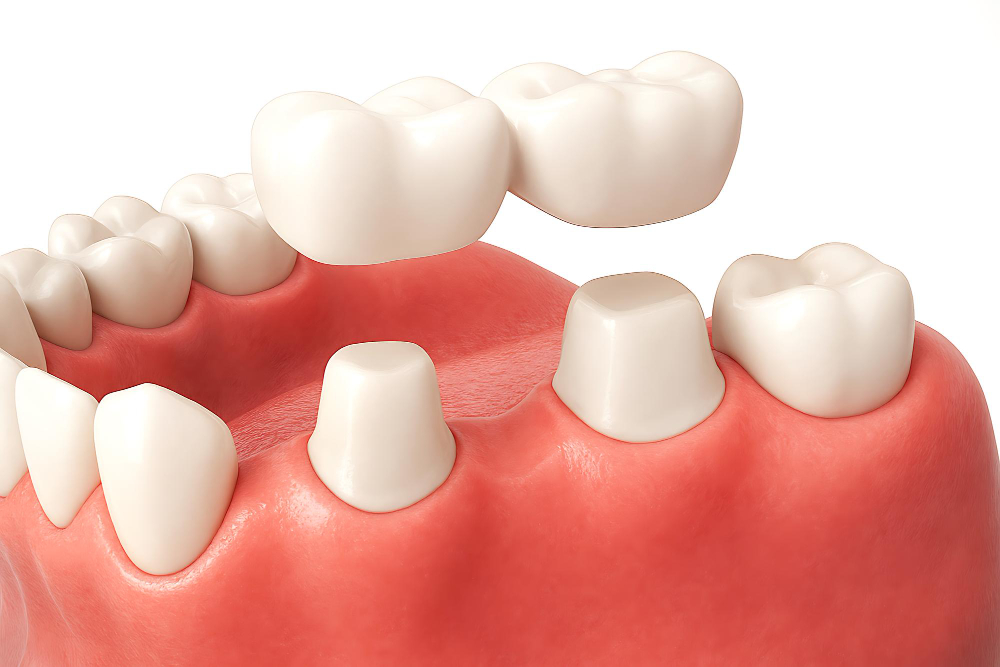
Permanent crowns are placed after your tooth is ready and the final crown is made. Dentists use them to fix broken, worn, or weak teeth. In many cases, permanent crowns are used after a root canal or to hold a dental bridge in place. Because they last longer, permanent crowns are the final step in most dental crown procedures. If you want a strong, natural-looking tooth, a permanent crown is the best choice.
Materials Used in Temporary vs Permanent Crowns
Different materials are used for temporary and permanent crowns. For temporary crowns, dentists often use:
For permanent crowns, dentists may use:
Each material has its own benefits. For example, porcelain crowns look very natural, while metal crowns are very strong. Your dentist will help you choose the best type of dental crown for your needs.
Care and Maintenance Tips
Proper care is important for both temporary and permanent dental crowns. However, you should be extra gentle with temporary crowns. Here are some tips for temporary dental crown care:
For permanent crowns, you should:
With good care, permanent dental crowns can last many years and keep your smile healthy.
Potential Risks and Complications
While dental crowns are safe, there are some risks to know. For example, temporary crowns can fall off or break more easily. Sometimes, you may feel mild pain or sensitivity after the dental crown procedure. Permanent crowns can also have problems, such as:
If you notice any problems, you should contact your dentist right away. Early care can prevent bigger issues. According to the American Dental Association, most people have few problems with dental crowns when they follow their dentist’s advice.