What Is Professional Dental Cleaning?
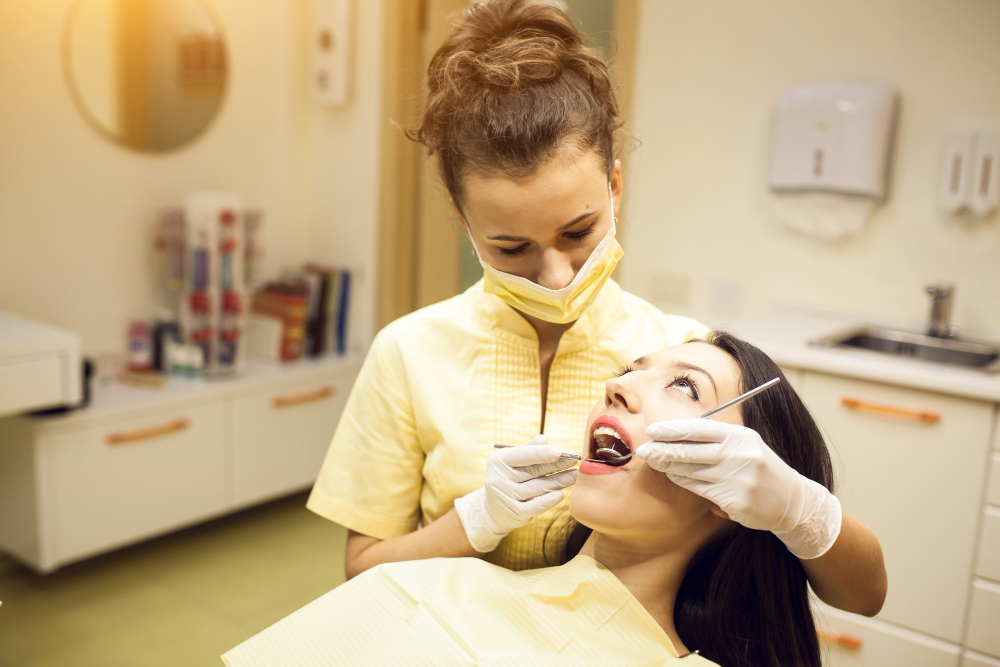
Professional dental cleaning is a routine procedure done by a dentist or dental hygienist. During this visit, your teeth are cleaned using special tools. For example, dentists remove plaque and tartar that brushing at home cannot reach. In most cases, the process is gentle and safe. Many people wonder, does professional dental cleaning damage tooth enamel? This is a common concern, especially for those new to dental visits. However, dental cleaning is an important part of keeping your mouth healthy. The American Dental Association recommends regular cleanings for everyone.
Understanding Tooth Enamel
Tooth enamel is the hard, outer layer of your teeth. It protects the softer parts inside each tooth. Because enamel is the hardest substance in your body, it acts as a shield against decay. Still, enamel can wear down over time from acids, grinding, or poor brushing habits. For this reason, many people worry about protecting tooth enamel at the dentist. Knowing how enamel works helps you understand why dental cleaning is important. Even though enamel is strong, it cannot grow back once lost.
Common Concerns About Dental Cleaning and Enamel Damage
Some people fear that dental tools may scratch or wear away enamel. Others think that scraping or polishing could make teeth weaker. In addition, there are worries about professional teeth cleaning safety, especially if you have sensitive teeth. However, most of these concerns come from myths or misunderstandings. Dentists use gentle techniques to avoid harming your teeth. They are trained to protect your enamel during every cleaning. Still, it is natural to have questions about your dental care.
Scientific Evidence: Does Cleaning Harm Enamel?
According to the Centers for Disease Control and Prevention (CDC), professional dental cleaning does not damage healthy enamel. Studies in dental journals show that cleaning removes plaque and tartar without harming the tooth surface. For example, research published in the Journal of the American Dental Association found no enamel loss from regular cleanings. In fact, removing buildup helps prevent gum disease and tooth decay. Because dentists use safe tools and gentle pressure, your enamel stays protected. Therefore, scientific evidence supports the safety of dental cleanings.
How Dentists Protect Enamel During Cleaning
During a cleaning, dentists use special tools designed to be safe for enamel. For instance, ultrasonic scalers use gentle vibrations to break up tartar. Hand instruments are smooth and rounded to avoid scratching teeth. In addition, polishing pastes are mild and do not wear down enamel. Dentists also check your teeth for weak spots before cleaning. If you have sensitive areas, they use extra care. As a result, professional teeth cleaning safety is a top priority for dental teams. Dentists follow strict guidelines to protect your smile.
Tips for Maintaining Healthy Enamel After Cleaning
After your cleaning, you can take steps to keep your enamel strong. For example, brush your teeth twice a day with a soft-bristled brush. Use fluoride toothpaste to help strengthen enamel. In addition, avoid sugary snacks and drinks, as they can weaken your teeth. If you grind your teeth at night, ask your dentist about a mouthguard. Drinking water after meals can also help wash away acids. Because regular checkups are important, visit your dentist as recommended. These habits support protecting tooth enamel at the dentist and at home.