
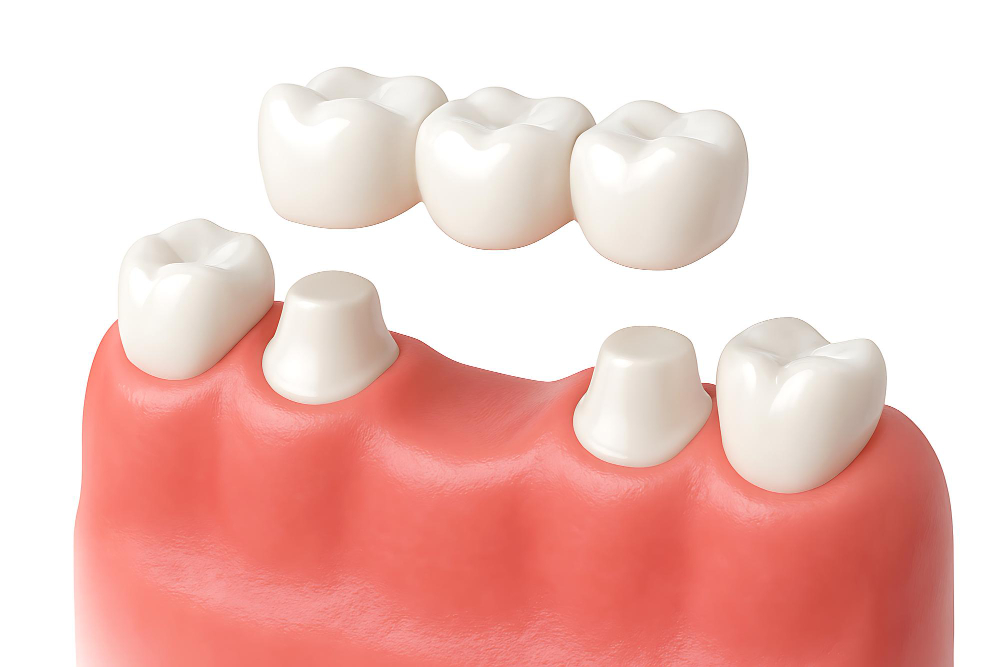
Introduction: What Are Dental Bridges and Why Are They Important?
Dental bridges fill gaps left by missing teeth. They use one or more artificial teeth held in place by nearby teeth. Because they restore your smile and help you chew, bridges are important for daily life. However, to keep your bridge strong, you need the right dental bridge care tips. Good care helps your bridge last longer and keeps your mouth healthy.
Why Proper Dental Bridge Care Matters
Proper care prevents damage and keeps your bridge looking good. In addition, it helps avoid gum disease and tooth decay. If you do not care for your bridge, it may loosen or break. As a result, you might need costly repairs or replacements. According to the American Dental Association, daily care is key to long-lasting dental bridges.
Daily Cleaning Tips for Dental Bridges
Cleaning your bridge every day is important. Not only does it remove food and plaque, but it also protects your gums. Here are some best practices for dental bridge maintenance:
For example, flossing under your bridge removes trapped food that brushing may miss. This simple step can extend dental bridge lifespan.
Foods to Avoid and Dietary Guidance
What you eat affects your dental bridge. Some foods can damage or loosen it. Therefore, you should avoid:
Instead, choose soft fruits, cooked vegetables, and lean proteins. Also, drink plenty of water to wash away food bits. Eating a balanced diet supports your overall oral health and helps extend dental bridge lifespan.
How to Prevent Common Dental Bridge Problems
Even with good care, problems can happen. However, you can prevent many issues by following these dental bridge care tips:
Because early action can stop bigger problems, always report pain or looseness to your dentist right away.
When to See Your Dentist
Regular dental visits are part of the best practices for dental bridge maintenance. You should see your dentist every six months, or sooner if you notice:
Because your dentist can spot problems early, these visits help extend dental bridge lifespan.
Frequently Asked Questions about Dental Bridge Care
Conclusion
In summary, following dental bridge care tips helps you keep your bridge strong and your smile bright. Clean daily, eat wisely, and see your dentist often. For the best results, consult a dental specialist at MAARK Dental Specialties for personalized bridge care advice.