
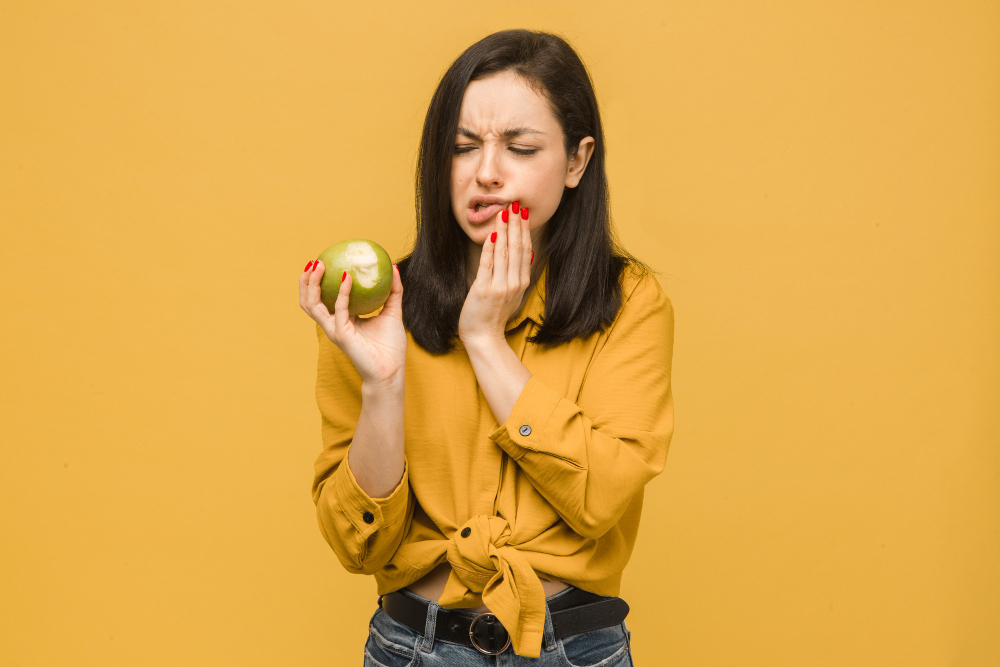
What Is Food Impaction?
Food impaction happens when bits of food get stuck between your teeth or gums. Often, this problem goes unnoticed. However, food impaction can lead to gum problems if not treated. Many people experience this issue after eating foods like meat, popcorn, or seeds. Because it is common, understanding food impaction is important for good dental health.
How Food Impaction Causes Gum Problems
When food stays trapped between your teeth, it can irritate your gums. Over time, this irritation may cause swelling, redness, or even bleeding. In some cases, bacteria grow around the trapped food. As a result, you may develop gum disease or tooth decay. According to the CDC, gum disease is a leading cause of tooth loss in adults. Therefore, removing trapped food quickly is key to preventing gum problems.
Common Symptoms and Warning Signs
It is important to watch for signs of food impaction. Early detection helps prevent bigger dental issues. Look out for these symptoms:
If you notice any of these signs, take action right away. Sometimes, symptoms are mild. But even mild symptoms can lead to gum disease if ignored.
Main Causes and Risk Factors
Several things can cause food impaction. Knowing these causes helps you prevent the problem. Common causes include:
Some people are at higher risk. For example, adults with gum disease or older dental work may have more food impaction. Additionally, people who do not floss daily are more likely to have this problem.
Diagnosis: How Dentists Identify Food Impaction
Dentists use several methods to find food impaction. First, they ask about your symptoms and dental habits. Next, they examine your mouth for signs of trapped food or gum problems. Sometimes, dentists use dental X-rays to check for hidden issues. X-rays help spot gaps, cavities, or bone loss. If needed, your dentist may use special tools to remove trapped food and check for damage. Early diagnosis helps prevent gum disease and tooth decay.
Effective Treatment Options
Treating food impaction depends on the cause. Dentists may:
In some cases, dentists may suggest minor gum treatments. These treatments help heal the gums and prevent future problems. Most people feel better soon after treatment.
Prevention Tips and Daily Oral Care Guidance
Preventing food impaction is possible with good oral care. Try these tips to keep your gums healthy:
With these habits, you can lower your risk of gum problems and food impaction. Good dental health starts at home but needs support from your dentist.
When to See a Dentist
If you often feel food stuck between your teeth, see a dentist soon. Also, visit your dentist if you notice bleeding, swelling, or pain in your gums. Early treatment can stop small problems from becoming serious. Remember, regular dental visits help keep your mouth healthy and prevent gum disease.
For personalized advice on food impaction and gum health, consult a dentist at MAARK Dental Specialties . Your dental team can help you protect your smile and prevent gum problems.