
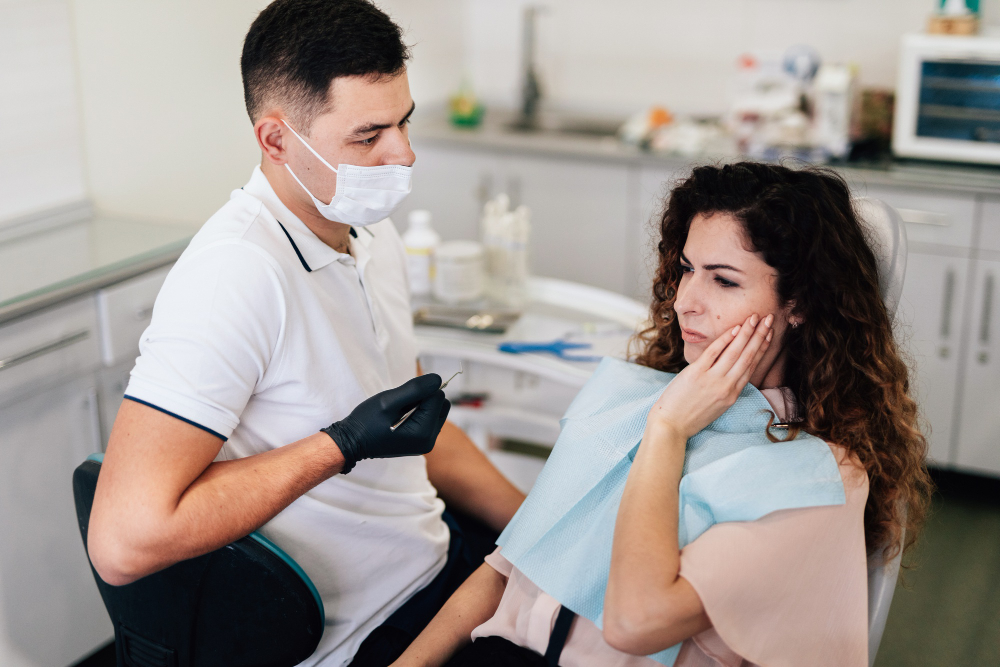
What Are Loose Teeth in Adults?
Loose teeth in adults can be worrying. While children often lose teeth as part of growing up, adults should not. If you notice your teeth moving or feeling wobbly, it may signal a problem. Adult tooth mobility means a tooth is not firmly attached to the jawbone. This can make eating or speaking uncomfortable. Sometimes, you may also notice pain or swelling. Although loose teeth in adults are common, they should never be ignored. Early care can help prevent further damage.
Common Causes of Loose Teeth in Adults
Many factors can lead to loose teeth in adults. Understanding these causes can help you protect your smile. For example, gum disease is a leading reason for adult tooth mobility. According to the CDC, nearly half of adults over 30 have some form of gum disease. Other causes include:
Because these causes are common, regular dental care for adults is important.
How Dentists Diagnose Loose Teeth
When you visit a dentist for loose teeth, they use several methods to find the cause. First, your dentist will ask about your symptoms and dental history. Next, they will gently check each tooth for movement. Often, X-rays help show bone loss or hidden problems. Sometimes, dentists use special tools to measure how much a tooth moves. With these steps, your dentist can decide the best way to fix loose teeth. Early diagnosis makes treatment easier and more effective.
Effective Treatments for Loose Teeth
Treating loose teeth in adults depends on the cause. However, dentists have many ways to help. Some common treatments include:
Because each case is different, your dentist will suggest the right plan for you. Early treatment often saves teeth and prevents more problems.
Prevention Tips for Healthy Adult Teeth
Preventing loose teeth is possible with good habits. For example, daily dental care for adults is key. Here are some tips to help you keep your teeth strong:
By following these steps, you can help prevent loose teeth and enjoy a healthy smile.
When to See a Dentist
Sometimes, loose teeth in adults can be a sign of a serious problem. Therefore, you should see a dentist if you notice:
Because early care can save your teeth, do not wait. If you notice loose teeth, consult a dentist at MAARK Dental Specialties promptly for personalized advice.