What Are Mandibular Fractures?
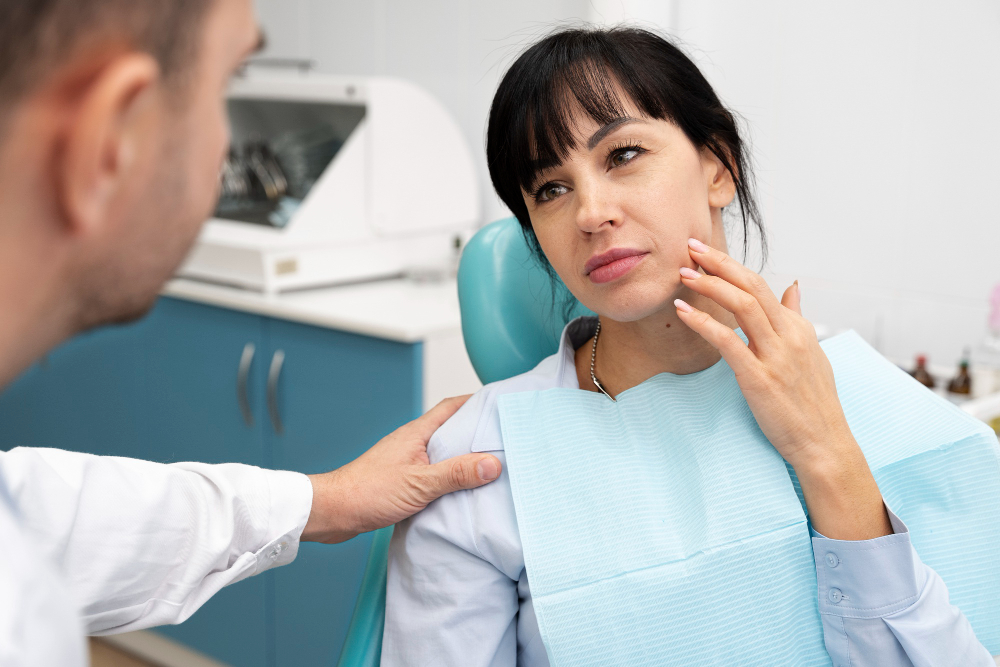
Mandibular fractures are breaks or cracks in the lower jawbone. The mandible, or lower jaw, helps you chew, speak, and smile. When this bone breaks, it is called a jawbone fracture. Often, a lower jaw injury happens after a fall, accident, or sports impact. Because the mandible is strong but exposed, it is one of the most commonly fractured facial bones. Mandibular fracture consequences can affect eating, talking, and even breathing. Early care is important for the best recovery.
Common Locations of Mandibular Fractures
Mandibular fractures can happen in different parts of the jaw. However, some areas are more likely to break than others. Knowing these locations helps doctors plan treatment. Common sites include:
For example, the angle and condylar regions are often affected in car accidents. In contrast, sports injuries may cause fractures near the chin or body.
Frequency and Risk Factors
Mandibular fractures are the second most common facial bone fracture after the nose. According to the World Health Organization, these injuries make up about 15% to 40% of all facial fractures. The frequency depends on age, activity, and location. For instance, young adults and men are at higher risk. This is because they are more likely to play contact sports or be involved in road accidents. Other risk factors include:
In cities with heavy traffic, road accidents are a leading cause of jawbone fractures. But in rural areas, falls and animal-related injuries may be more common.
Consequences and Complications
Mandibular fracture consequences can be serious if not treated quickly. Some possible problems include:
Sometimes, untreated fractures can lead to long-term jaw problems. Therefore, early diagnosis and care are important to avoid lasting issues.
Diagnosis and Treatment Overview
Doctors use a mix of physical exams and X-rays to diagnose mandibular fractures. They look for swelling, bruising, or changes in bite. X-rays or CT scans show the exact location and type of break. Once diagnosed, treatment depends on the fracture’s location and severity. Common treatments include:
Most people heal well with proper care. However, follow-up visits are needed to check healing and prevent complications.
Prevention Tips
While not all jaw injuries can be avoided, some steps can lower your risk. For example, you can:
Additionally, regular dental check-ups can help spot weak teeth or jaw problems early.
Conclusion
Mandibular fractures are serious injuries that need prompt attention. They can affect eating, speaking, and daily life. If you suspect a mandibular fracture, consult a dental specialist at MAARK Dental Specialties for personalized care.