What Is Malocclusion?
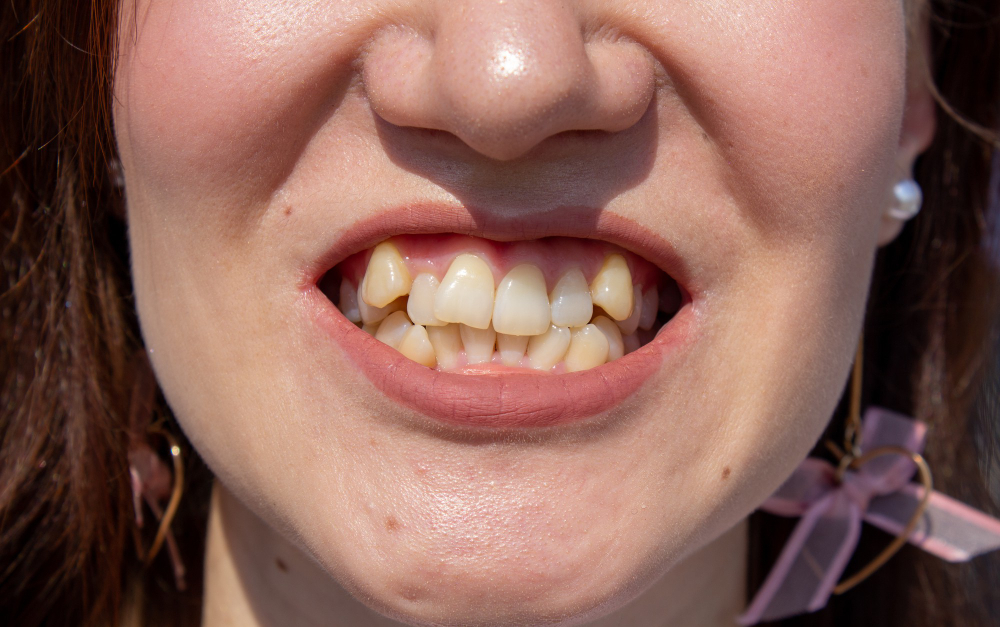
Malocclusion means your teeth do not line up properly when you bite. This dental misalignment can affect your smile, chewing, and even speech. While some people have only mild issues, others may notice more severe problems. Because malocclusion is common, it helps to know what causes it. Understanding the root causes of malocclusion can guide you in preventing or treating it early.
Common Root Causes of Malocclusion
Many factors can lead to dental misalignment. Some causes are present at birth, while others develop over time. For example, habits or injuries can change how your teeth fit together. Below are some of the most common malocclusion risk factors:
Because these causes vary, it is important to look at each one closely.
Genetic Factors
Often, malocclusion runs in families. If your parents or siblings have dental misalignment, you may have a higher risk. Inherited traits can affect the size and shape of your jaw or teeth. For instance, you might have a small jaw but large teeth. This mismatch can cause crowding or gaps. According to the World Health Organization (WHO), genetics play a big role in many dental conditions, including malocclusion. However, not all cases are genetic. Other factors can also contribute.
Environmental and Lifestyle Factors
Besides genetics, your environment and daily habits matter. For example, poor nutrition during childhood can affect jaw growth. Injuries to the face or jaw may also change how your teeth fit together. In addition, missing teeth from decay or accidents can shift other teeth out of place. The Centers for Disease Control and Prevention (CDC) notes that good dental care helps lower these risks. Still, some lifestyle choices can increase your chances of dental misalignment.
Early Childhood Habits
Some habits in early childhood can lead to malocclusion. For instance, thumb sucking after age four may push teeth out of alignment. Similarly, using a pacifier or bottle for too long can affect jaw growth. Even mouth breathing, often caused by allergies, can change how the jaw develops. Because these habits are common, parents should watch for signs early. Stopping these habits soon can help prevent malocclusion later.
Impact of Malocclusion on Oral Health
Malocclusion can cause more than just a crooked smile. For example, it may make brushing and flossing harder. This can lead to tooth decay or gum disease. Some people may also have trouble chewing or speaking clearly. In severe cases, jaw pain or headaches can occur. According to dental journals, untreated malocclusion can even affect self-esteem. Therefore, early treatment is important for both health and confidence.
Prevention and When to See a Dentist
While you cannot change your genes, you can lower other risks. For instance, encourage good dental habits in children. Limit thumb sucking and pacifier use after age two. Make sure your child eats a balanced diet for healthy jaw growth. In addition, regular dental checkups help spot problems early. Dentists can suggest ways of preventing malocclusion or treat it before it gets worse. If you notice crooked teeth or bite problems, see a dentist soon. Early care often leads to better results.
In summary, knowing the root causes of malocclusion can help you take action. If you have concerns about dental misalignment, consult MAARK Dental Specialties for personalized advice and treatment options.