
Introduction
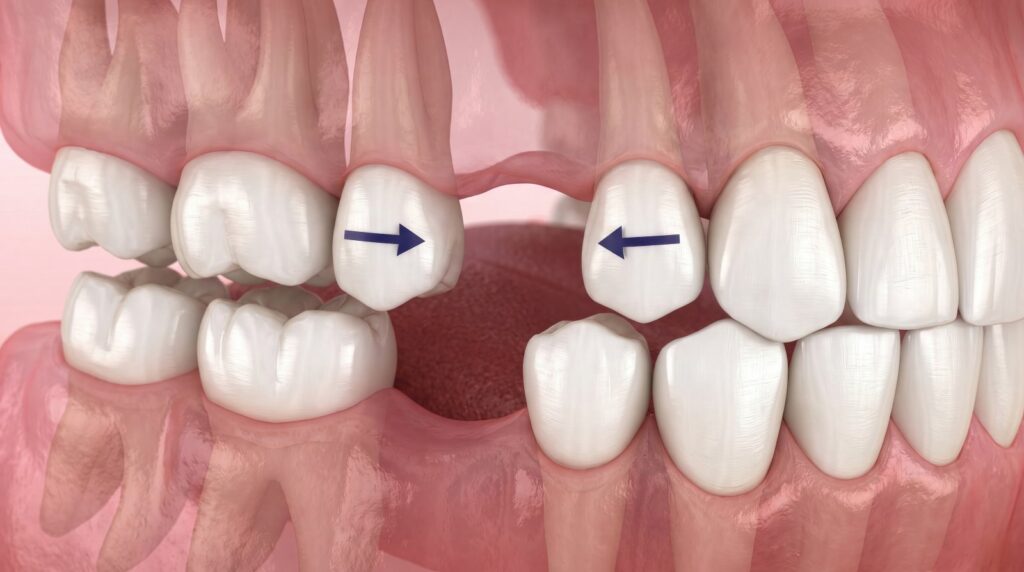
Many people wonder why teeth shift with age. This is a common dental concern for adults. Over time, you may notice your teeth are not as straight as before. Although this can be worrying, it is a normal part of aging. However, there are ways to prevent teeth shifting with age. Understanding the causes and solutions can help you keep your smile healthy.
Causes of Teeth Shifting With Age
As you get older, several factors can cause your teeth to move. Knowing these causes can help you take action early. Here are the main reasons teeth shift as people age:
In addition, changes in facial muscles and aging tissues can play a role.
Symptoms of Shifting Teeth
It is important to notice early signs of teeth movement. Look for these symptoms:
Because these changes can be slow, regular checks are helpful.
Diagnosis: How Dentists Identify Shifting Teeth
Dentists use several methods to spot teeth movement. First, they will examine your mouth and gums. Next, they may take dental X-rays or digital scans. These images show changes in bone and tooth position. Sometimes, dentists use models of your teeth to track movement over time. With these tools, they can find early signs and suggest the best steps.
Prevention: How to Prevent Teeth Shifting With Age
Thankfully, you can take steps to prevent teeth shifting with age. Here are some proven tips:
Moreover, following these habits can help you keep teeth straight as you age.
Treatment Options for Shifted Teeth
If your teeth have already shifted, do not worry. There are several treatment options available:
Your dentist will suggest the best plan based on your needs.
Lifestyle Guidance for Dental Stability
Daily habits can make a big difference. For example, eat a balanced diet rich in vitamins and minerals. Drink plenty of water to keep your mouth clean. Avoid smoking, as it can harm gums and bone. Use a mouthguard if you grind your teeth at night. In addition, always follow your dentist’s advice for home care. These steps support dental stability as you age.
Conclusion
Teeth shifting with age is common, but it should not be ignored.
Healthy gums, strong supporting bone, and good oral care help maintain tooth stability.
Regular dental check-ups can detect movement early and prevent further changes.
With the right care and timely treatment, you can protect your smile for years to come.
Notice changes in your teeth or bite? Visit Maark Dental Specialities for expert evaluation and personalized dental care.